Beyond the City: Life with Mongolia’s Reindeer Herders and Nomads
Leave the rush of city life behind and discover how Mongolia’s
Tsaatan reindeer herders and nomadic families live by the rhythms
of animals, landscapes, and seasons.
From City Schedules to Seasonal Rhythms
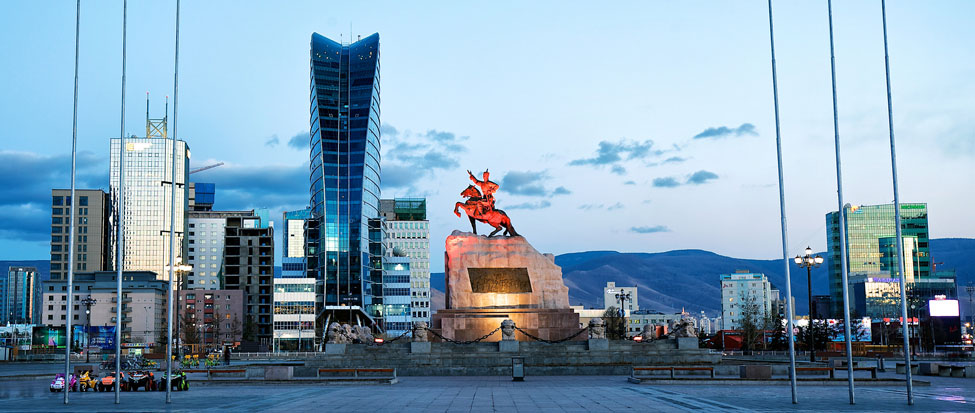
In a big city, daily life often revolves around traffic, appointments,
and the clock. In Mongolia’s countryside, priorities shift with the
weather, the availability of pasture, and the needs of livestock.
Visiting a herding family offers a different perspective on work,
home, and our relationship with nature.
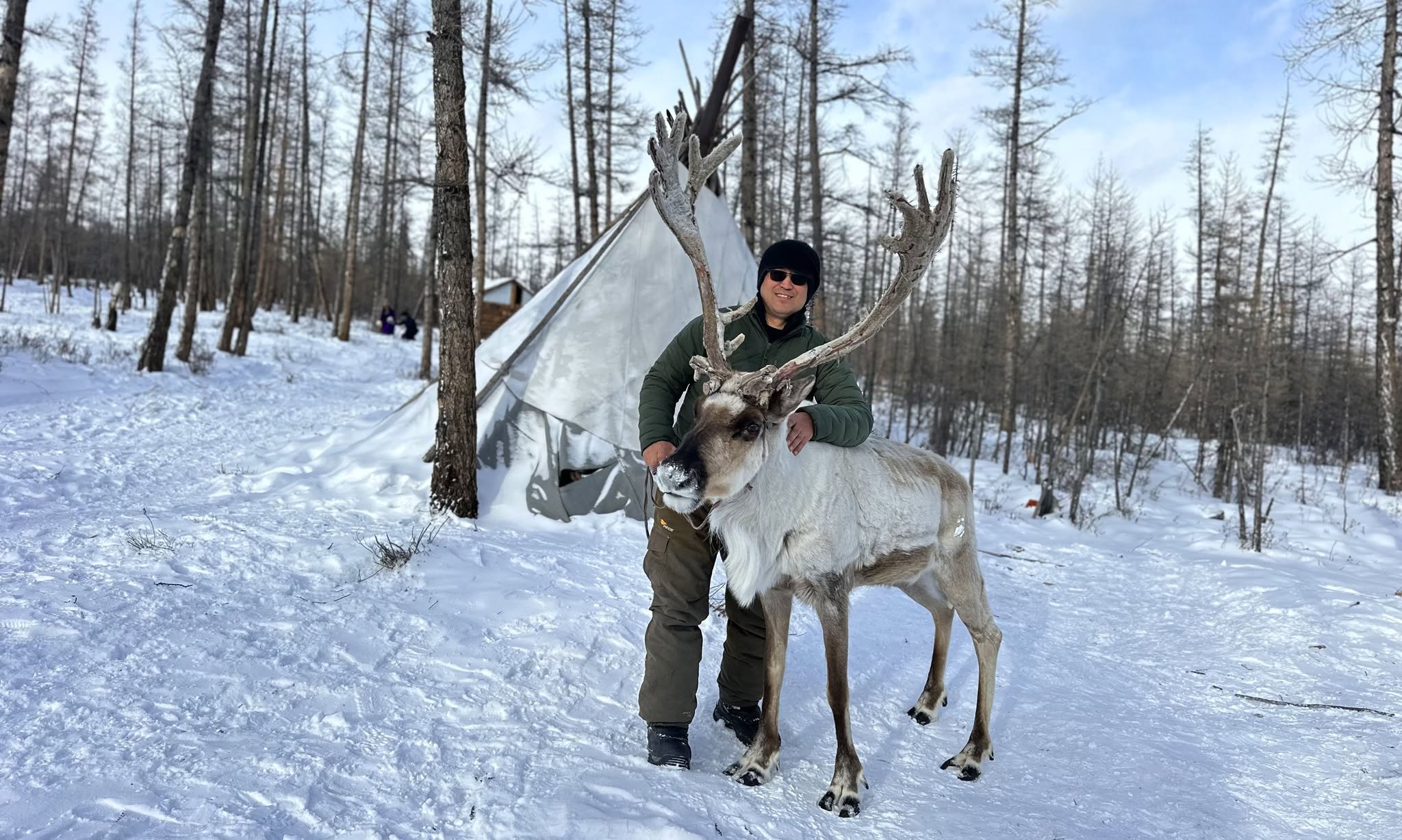
Meet the Tsaatan Reindeer Herders
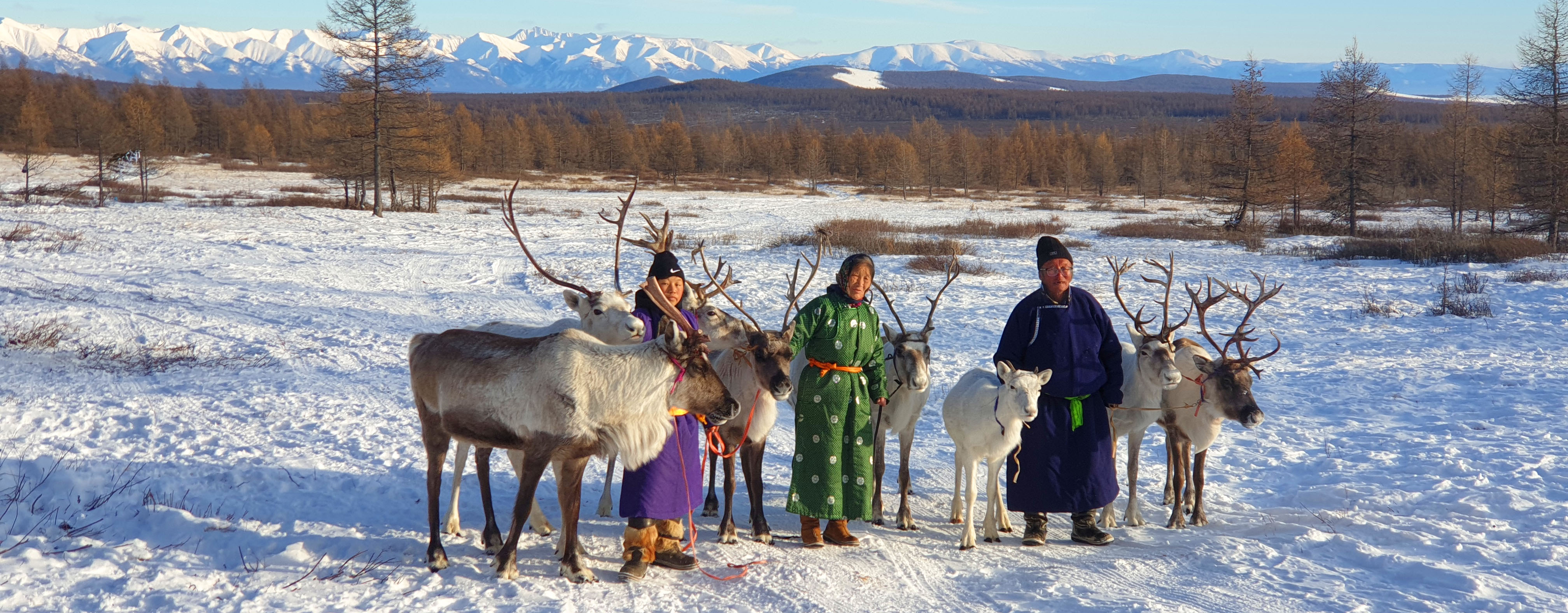
In the remote taiga of northern Mongolia, the Dukha people,
commonly known as the Tsaatan, maintain a distinctive reindeer
herding culture. Reindeer provide milk and transport, while their
grazing needs help determine the seasonal movements of herding
families.
Where navigating a city requires knowing streets and transport
routes, life in the taiga depends on understanding forest trails,
animal behaviour, and changing weather. These skills develop
through daily experience and knowledge shared between generations.
Nomadic Life on Mongolia’s Open Steppe
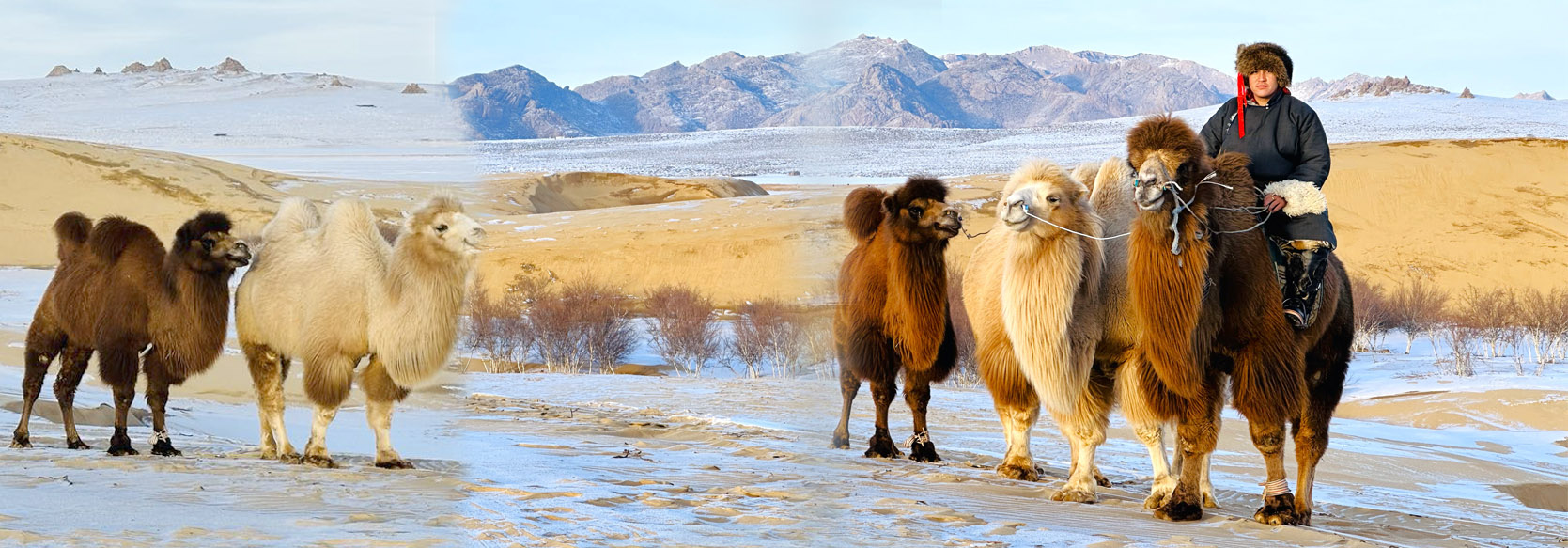
Beyond the northern forests, Mongolia’s pastoral families raise
livestock including horses, sheep, goats, cattle, and camels.
Their traditions differ from those of the Tsaatan, but caring for
animals and adapting to seasonal conditions remain central to life.
Instead of a permanent apartment, many herding families live in a
ger, a portable dwelling that can move with them between seasonal
pastures. Home is shaped by family routines, familiar belongings,
and the work of maintaining a household wherever the herd needs
to graze.
Winter Beyond the Comforts of the City
For a city visitor, winter may mean a heavier coat and a heated
commute. For Mongolia’s herders, it brings demanding responsibilities:
protecting livestock, managing feed, preparing fuel, and finding
shelter from harsh weather.
The quiet landscapes travellers admire are also working environments.
Behind the warmth of a stove and a welcoming cup of tea are
practical skills, careful preparation, and cooperation.
A Living Culture, Not a Journey into the Past
Mongolia’s herding communities are part of the modern world.
Families balance cultural traditions with education, technology,
and changing opportunities. Their lives continue to evolve while
retaining close connections to animals and the land.
A respectful visit creates space to listen and learn. Ask before
taking photographs, follow your hosts’ guidance around animals,
and allow daily routines to take priority. Sharing tea or hearing
why a family chooses its next campsite can reveal more about
nomadic life than a photograph alone.
```